A story of vision
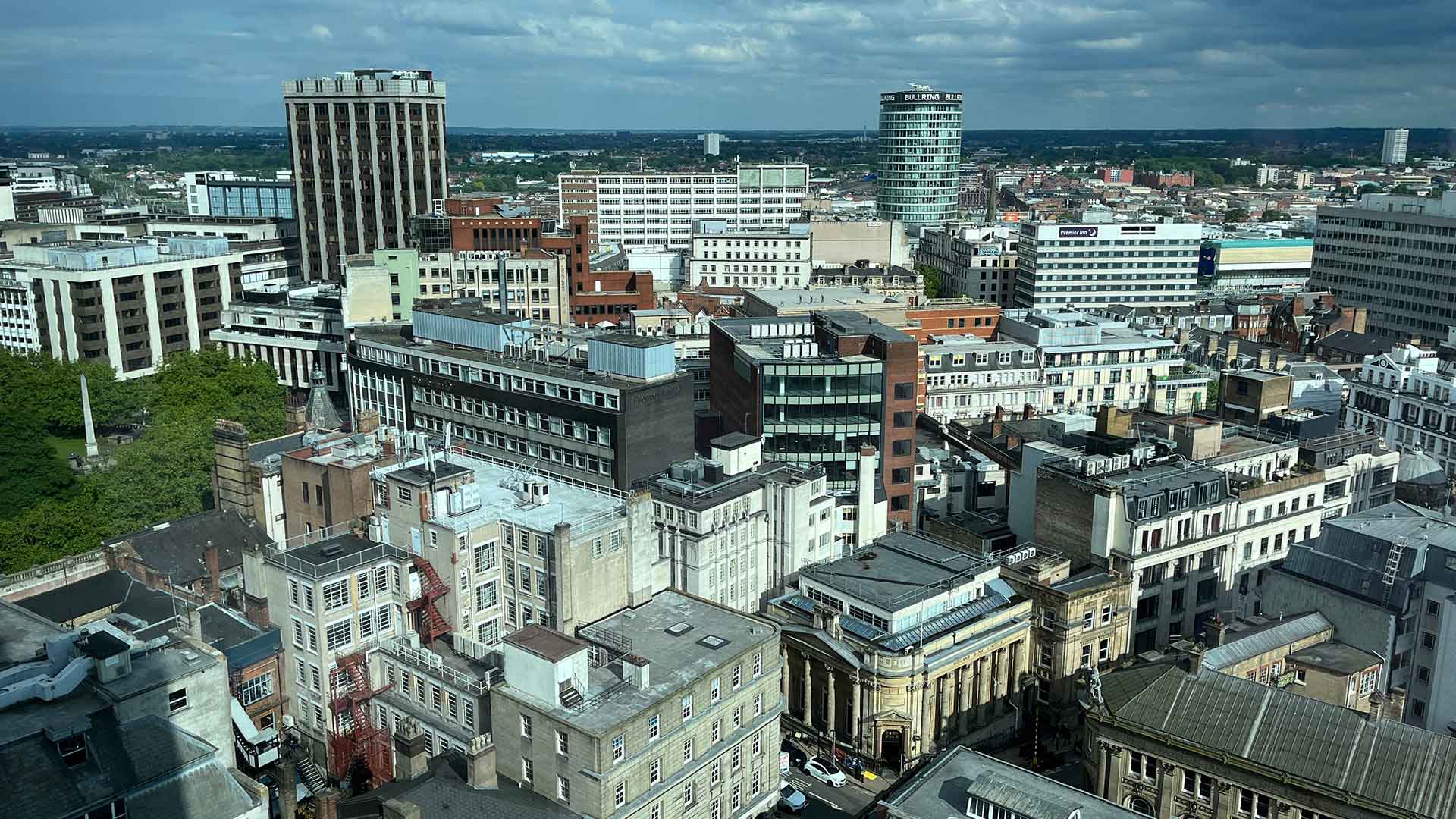
I recently read a LinkedIn post from a former colleague. He wrote: “When we moved… our vision was to support the businesses, communities and charities we see from our window.”
Those words stopped me. After a few moments I began to smile.
They were part of a vision statement my leadership team and I spent several years shaping and repeating. What struck me wasn’t the nostalgia, it was this: I left that business two years ago, and the vision is still alive. Still being repeated. Still shaping how people work.
What pleased me most wasn’t that the vision was remembered. It was that people who helped build it continued to live it. A vision only survives when others choose to carry it forward.
—–
In 2017 I was Managing Director of a large insurance brokers in Birmingham. We’d grown through acquisition, we were reasonably successful, but we were stuck. The building and office space were uninspiring (made worse by a massive demolition site next door). Organic growth was inconsistent and there was the usual litany of daily irritations that come with a regional office trying to consolidate multiple acquired businesses into a single way of working.
People’s eyes were down. I needed to lift them.
My five-year plan connected our revenue growth to a new office — somewhere everyone wanted to be, even if I had no idea how to deliver it. But a plan on a page wasn’t going to shift anything. I needed people to feelit.
We gathered as a whole business once a month. I decided to use that forum differently. I’d been reading about vivid visualisation and decided to take a chance. I got the whole room to close their eyes. Then I walked them through our future office: the reception, the sound of the place, the smell, the space, the furniture, the view from the window. Rich, specific detail. Not a concept; a place they could inhabit in their minds.
I was half-expecting people not to take it seriously. Instead, it connected. People referenced it back to me. Regularly.
With much reflection, this is what I now understand about why: Vague visions don’t travel. The rich, specific detail was the critical element. When people can see it, smell it, feel it; they carry it. Abstract targets stay on slides. Vivid stories get repeated.
———
We grew. Not always quite the 10% I’d targeted, but more than double what we’d been delivering. I can’t attribute all of that to the vision, but I’d argue the vision shaped how people made decisions, how they talked about the business externally, what they said yes and no to. Direction enables that.
Then in early 2021, as acquisitions brought further consolidation, an opportunity came to look for new space.
The demolition site we’d endured for five years had by now become the tallest office building in the city. 24 storeys, rooftop restaurant, bar on the 18th floor and a queue of big firms waiting for a space. People had already started connecting our vision to that building. The first time I looked around the site; I knew it was the one.
This is where the vision did something I hadn’t anticipated: It became a compass.
When corporate real estate specialists, finance teams and other key stakeholders were all pulling in different directions, the vision became a filter. I knew exactly what this office needed to be — and what it didn’t. The vision we’d collectively committed to became the lens through which I made the case for the option I believed best fulfilled that promise. It wasn’t stubbornness. It was consistency grounded in a story we had been telling for years.
In June 2022 we moved into these offices. You could just see the roof of our old place if you looked straight down. I always remember the HVAC equipment on the roof made a smiley face when you looked directly down on it.
From that new home, high enough up, by my estimate, to see five counties on a clear day. A 360-degree panorama of the city and surrounds. We had achieved that vision, and we needed a new one!
Working with the leadership team, the new vision almost wrote itself: do business with the view from our window. Simple. Specific. Rooted in a story that everyone in the business already knew.
—
Four years on. Two years since I left and a former colleague and senior leader is still telling that story.
That’s what a good vision does. It doesn’t belong to the leader; it belongs to the people in the organisation.
Most leaders assume their culture walks out with them when they go. Sometimes it does. But if you’ve done the work; if you’ve made the vision vivid, repeated it relentlessly, and given people a story rather than a target; it takes on a life of its own.
So, what are the lessons?
- A vivid, specific vision lands best. Vague aspiration doesn’t travel. Vivid detail does.
- Vision gives the leader clarity, not just the team direction. It becomes the standard you hold yourself and others to — especially under pressure.
- It needs a platform. Without a forum and a deliberate act of communication, vision stays in the leader’s head. Use every opportunity to repeat it.
- It connects emotionally, not just rationally. People don’t follow a number. They follow a story they can see themselves in.
- The best visions become the story. Stories get stronger every time they are retold.
If your team are looking down at the daily grind instead of up at something worth moving toward – Perhaps it’s time to think about the story you are telling?